
Case StudiesFIELD NOTES / REAL SITES

HANGZHOU / NINGBO
REAL SITES, REAL VISITORS

Three landscapes.
One thing, proven.

No introduction, however complete, beats standing on site. Gongchen Bridge, Tianyige Museum and Hangzhou Botanical Garden: three kinds of space, three kinds of content, three kinds of visitor — running on one set of foundations.

We don't paste one standard script onto every site. Each place grows its own way of telling its story.

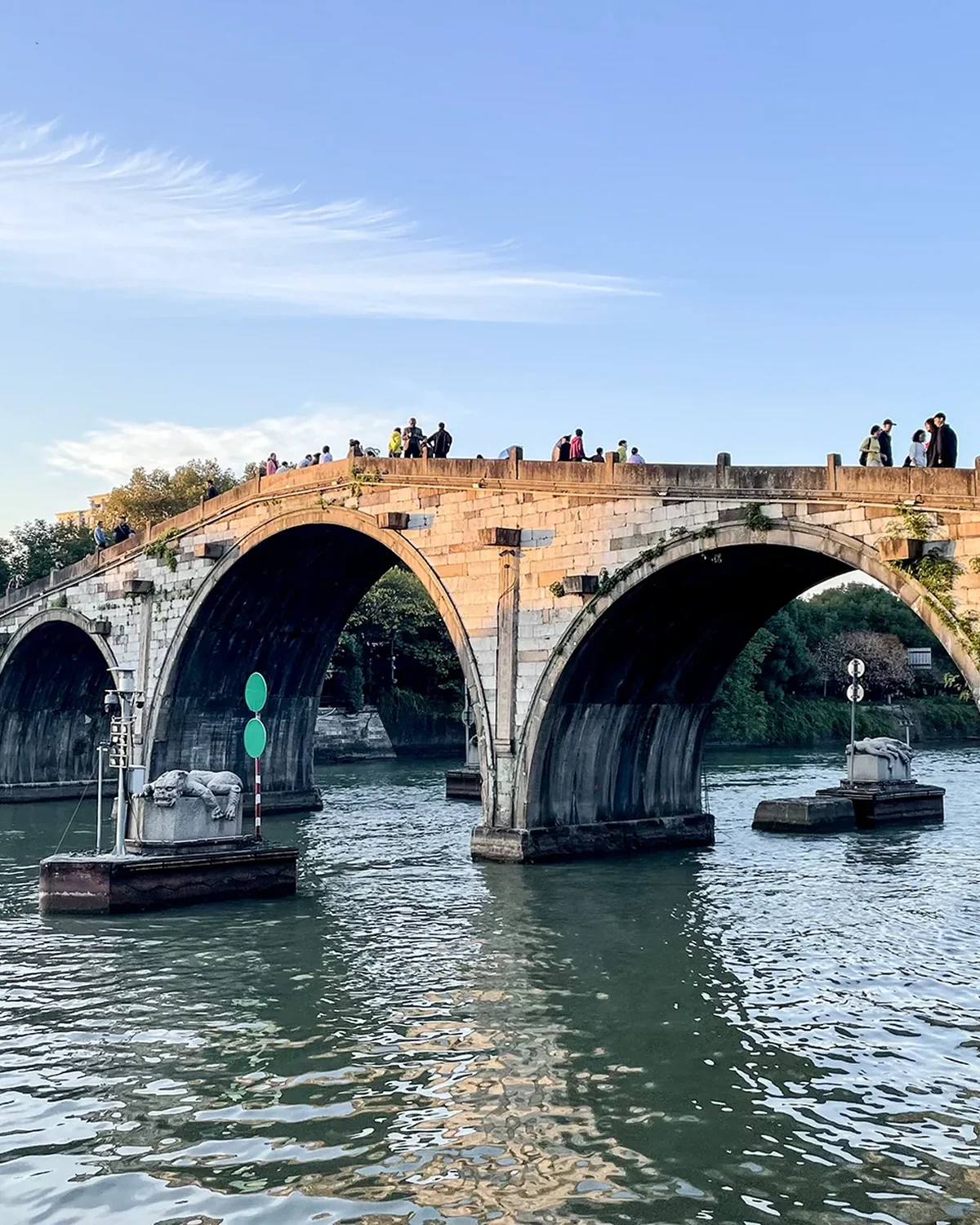
Gongchen Bridge spanning the Grand Canal
Gongchen BridgeHangzhou · Grand Canal / Open district
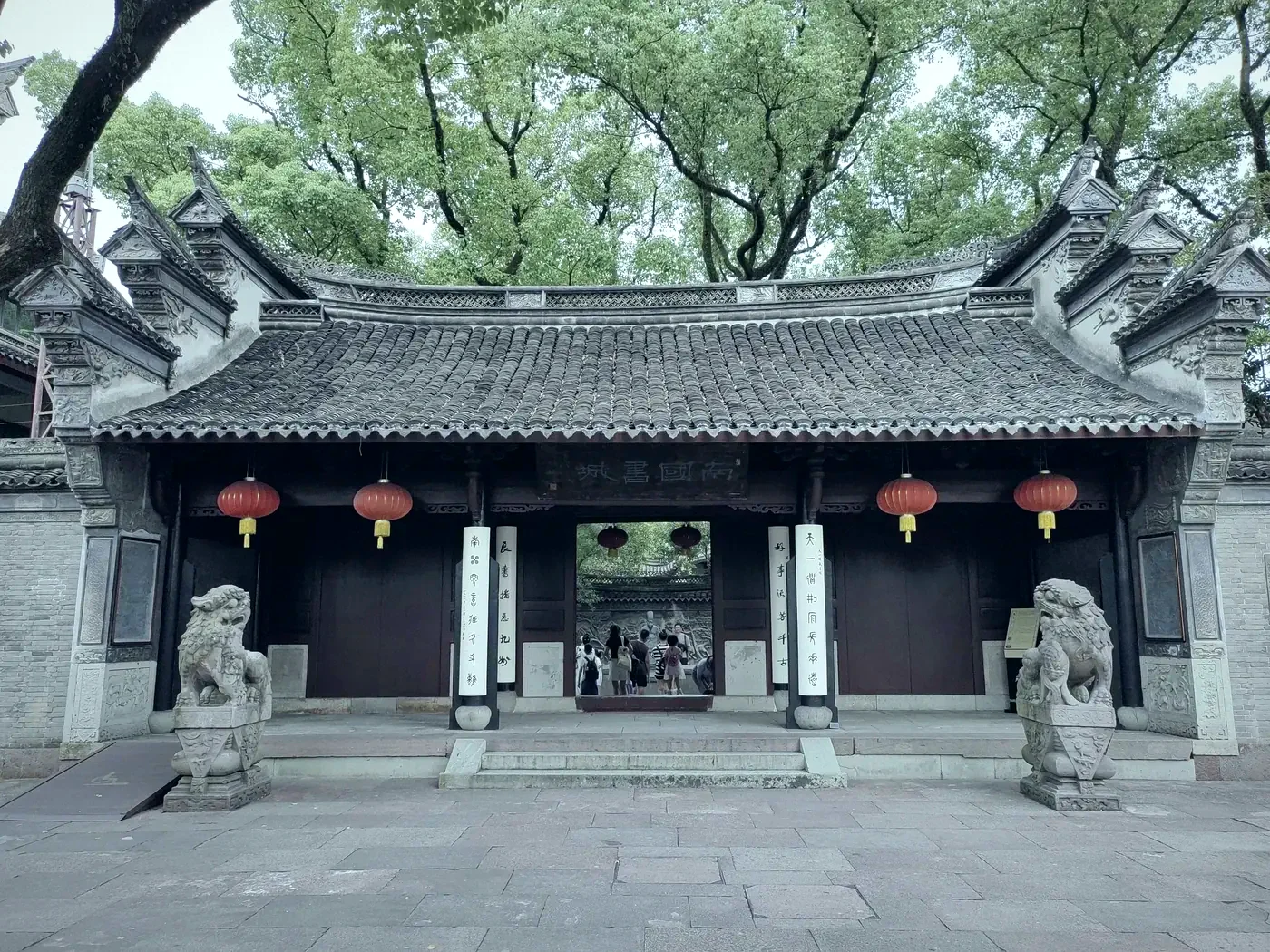
The entrance of Tianyige Museum with red lanterns
Tianyige MuseumNingbo · Haishu / Book culture
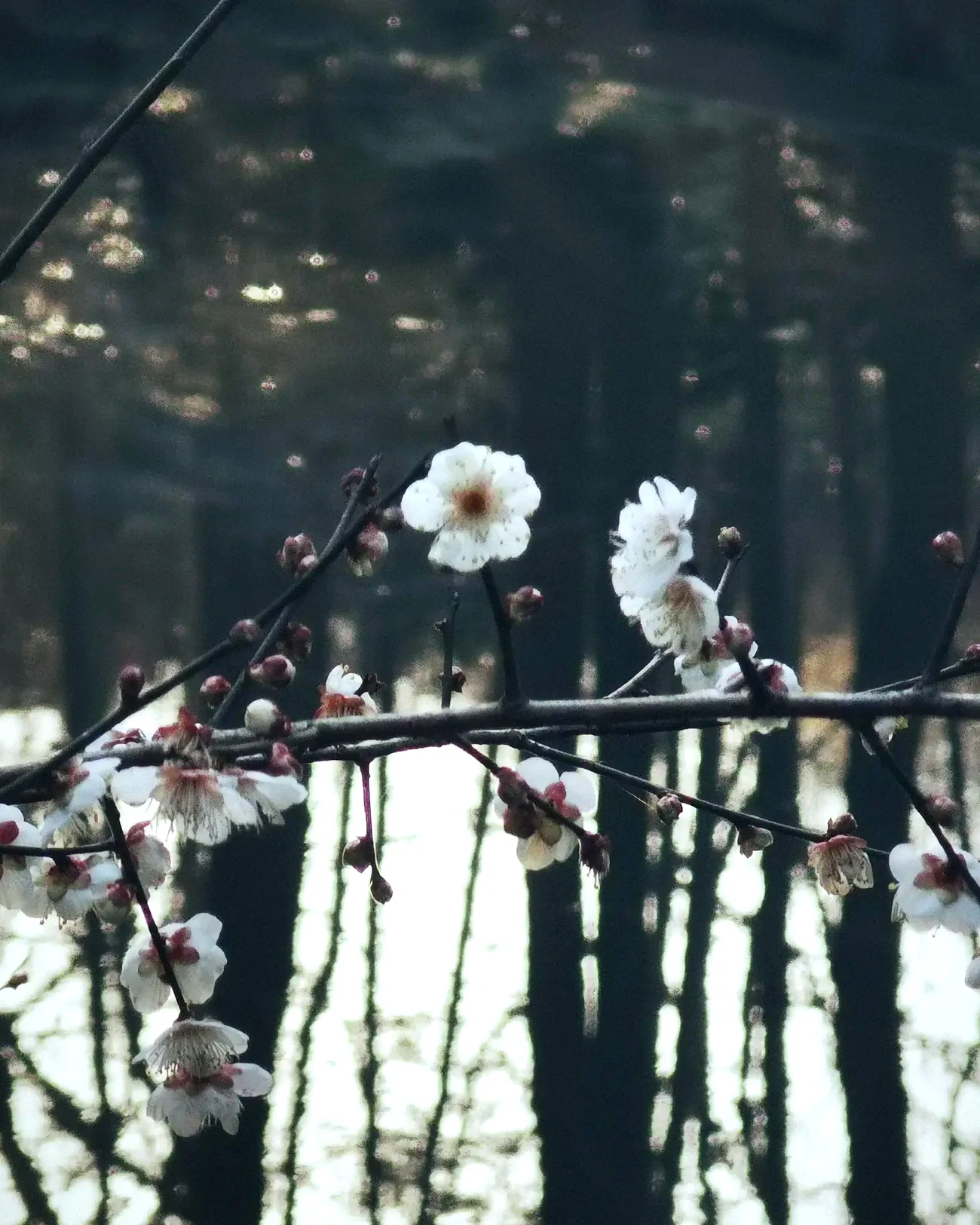
Plum blossom beside the water at Hangzhou Botanical Garden
Hangzhou Botanical GardenHangzhou · West Lake / Nature education
Gongchen Bridge and the canal by day
AI Companion / On-site dialogue 19:51

Why is Gongchen Bridge called the southern end of the canal?

It is the landmark stone arch bridge at the southernmost point of the Beijing–Hangzhou Grand Canal. Once a boat passes beneath it, you have arrived in Hangzhou.

01 / OPEN DISTRICT

In an open district,
the service follows the visitor.

Gongchen Bridge is not an enclosed museum. Visitors move freely between the bridge, the lanes, the wharf and the shops, so narration and service have to move with them. We turned the district's street network, its points of interest and its stories into one continuous map, so the AI companion knows where you are — and what is worth saying — even in open space.

  • Space / Open district · indoor and outdoorIn operation
  • Visitors / Independent travellers · inbound · familiesMulti-audience
  • Content / Canal history · Qiaoxi heritage · intangible heritageReviewed
  • Service / AI narration · route guidance · safety promptsLive
Live on site / iterating continuously Explore the system
Traditional entrance building of Tianyige Museum
AI Companion / On-site dialogue 12:40

Where does the name Tianyige come from?

From the line “Heaven generates water.” Water conquers fire — the simplest wish a library of books could have.

02 / QUIET MUSEUM

In a library of books,
narration learns restraint.

A book pavilion's value lies in its details — and in its quiet. Narration should follow the visitor's gaze, not a fixed loop: wherever someone stops, at which volume or before which stele, that is where it begins. We bound the collection's knowledge to each place, and left quiet mode in the visitor's hands.

  • Space / Courtyard museumMostly indoors
  • Visitors / Culture travellers · inbound visitorsQuiet guidance
  • Content / Collection · editions · book cultureReviewed
  • Service / Sight recognition · quiet mode · multilingualLive
Live on site / iterating continuously Explore the system
Plum branches beside the water at Hangzhou Botanical Garden
AI Companion / Photo recognition 08:12

Why is this tree flowering now?

From the calyx and the angle of the branches, it is a Gongfen plum. It always blooms while the others are still asleep.

03 / LIVING GARDEN

In a botanical garden,
the answers change with the season.

The same tree gives different answers in different seasons. Nature education is not a fixed script; it is a field knowledge base that shifts with the season, the place and the question asked. We put plant records, walking trails and family activities into a single service.

  • Space / Hillside paths · by zoneMostly outdoors
  • Visitors / Families · nature loversFamily-friendly
  • Content / Plant phenology · nature educationUpdated by season
  • Service / Family mode · camera mode · science notesLive
Live on site / iterating continuously Explore the system

04METHOD / OUR WAY

One place, one plan.
A shared foundation.

Every landscape has its own space, its own content and its own temperament. We keep what is particular to each site, and let the foundations keep growing into the next one.

01

A map is walked into being.

Every passable route and every point of interest has to be verified on site. A map is not judged by how it looks, but by whether it works underfoot.

02

Content is checked, line by line.

Site scripts never go straight to the model. They are reconciled with the museum or scenic area item by item, so the narration is accurate — and sounds like the people who live here.

03

Operations are grown, not switched on.

Launch is not the finish line. Content, routes and service keep adjusting to real foot traffic, visitor feedback and changes on site.

05YOUR SITE / YOUR TURN

Your next landscape
deserves to be told well, too.

Bring your site map, your scripts and the problem that is keeping you up at night. Let's talk it through in person.